

The breaking point: why journalists need smarter tools to survive the modern media landscape
Journalists are under pressure to do everything they can while being given the bare minimum. The resources needed for them to do their important work are drying up, while the tide of responsibilities keeps piling up (SOURCE).
You can see this in the mental health of journalists, with the vast majority reporting burnout from their day-to-day work (SOURCE). It is increasingly important to recognise what has changed in the media landscape and the journalist's role within it. Journalists need more tools to actually face the fragmented media landscape that is doing everything it can to make their job unmanageable.
A job built on deadlines and output
At the end of the day, a journalist's role is to find out what stories are worth writing about and then write them before a suitable deadline. More articles mean more reader engagement, which means more opportunities to promote subscriptions to the publication or ads that can be placed on the publisher's website.

It was a relatively simple business model until the mid-2000s. The job of a journalist was a taxing one due to the strict deadlines often set by the industry. It was difficult, but at least manageable for journalists to maintain the balance between the input of information and the output of published work.
That balance, however, has been fundamentally disrupted.
The internet broke the news cycle
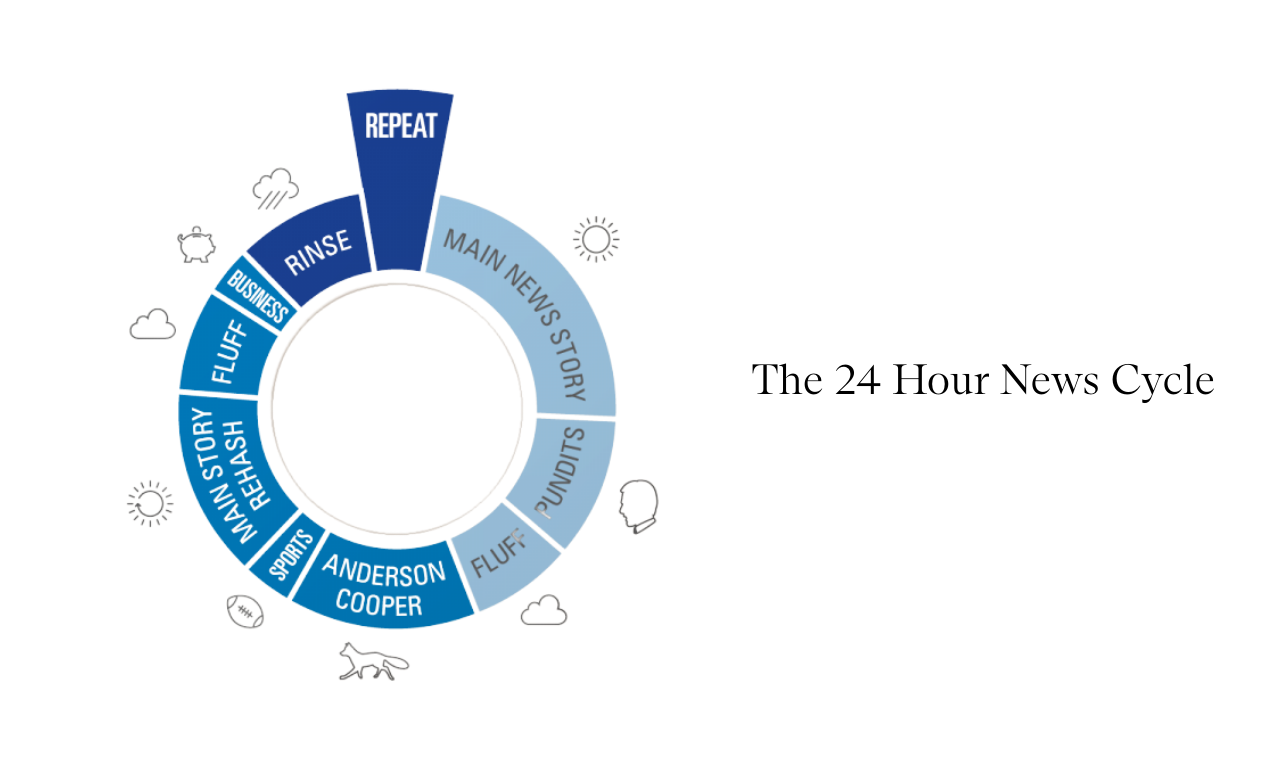
Traditional journalism kept to a fairly regular set of operating hours compared to the current internet age. The information environment was dictated by regularly scheduled programming on radio, TV, and newspapers.
Other than infrequent out-of-office-hours interviews being conducted, journalists kept to a certain pace because the pace of information was consistent. That predictability actually allowed investigative journalism to take off — reporters had the mental space to dig deeper into stories because the news cycle gave them room to breathe.
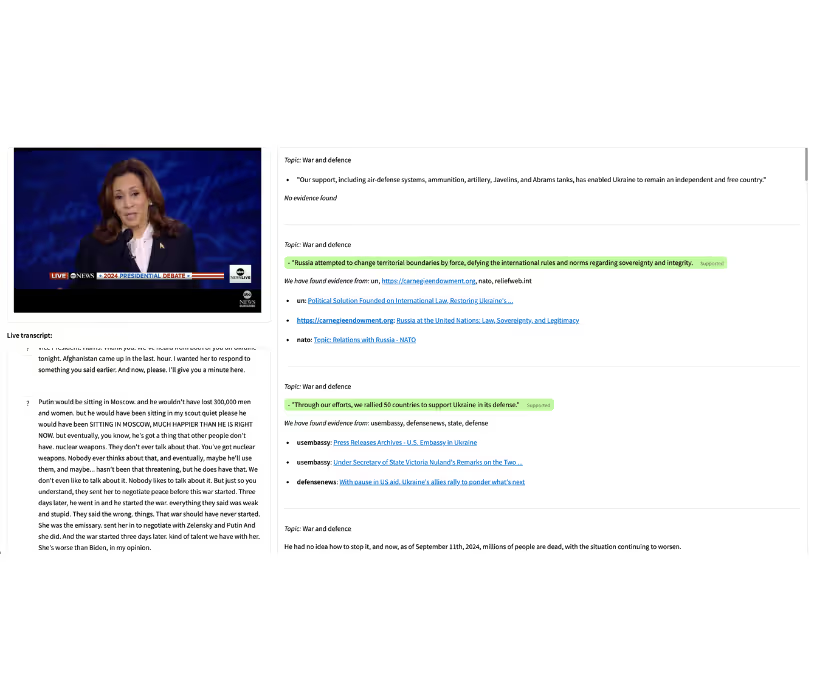
But now, the information environment never sleeps or takes a break. Content, stories, claims, and interviews from world leaders and key decision-makers are constantly being broadcast via multiple channels — X, Instagram, Truth Social, multiple kinds of websites, YouTube, and TikTok.
This is just a small list written very quickly, and the scary thing is that this list will have changed again by the time the decade is over. New platforms emerge faster than most newsrooms can develop policies for covering them, and ignoring any one of them risks missing a genuinely significant story.
Journalists are operating in an increasingly fragmented information environment (SOURCE). When they think they have a handle on picking out notable claims on one platform, another platform springs up just as fast.
They have to constantly learn and take note of platforms that they think are worth finding relevant — all while filing stories, chasing sources, and meeting deadlines. This creates a constant low-level anxiety that something important is being missed, because often it is.
Journalists often have to watch a broadcast to monitor for breaking stories while simultaneously managing their existing workload. The cognitive load of tracking multiple live streams, social feeds, and breaking news alerts at once is not sustainable.
With the sheer amount of information overload they face, they have no choice but to prioritise and forego what they don't have time for (SOURCE). That is not a failure of individual journalists — it is a structural problem that the industry has been slow to address.
The Impossible Trade-Off
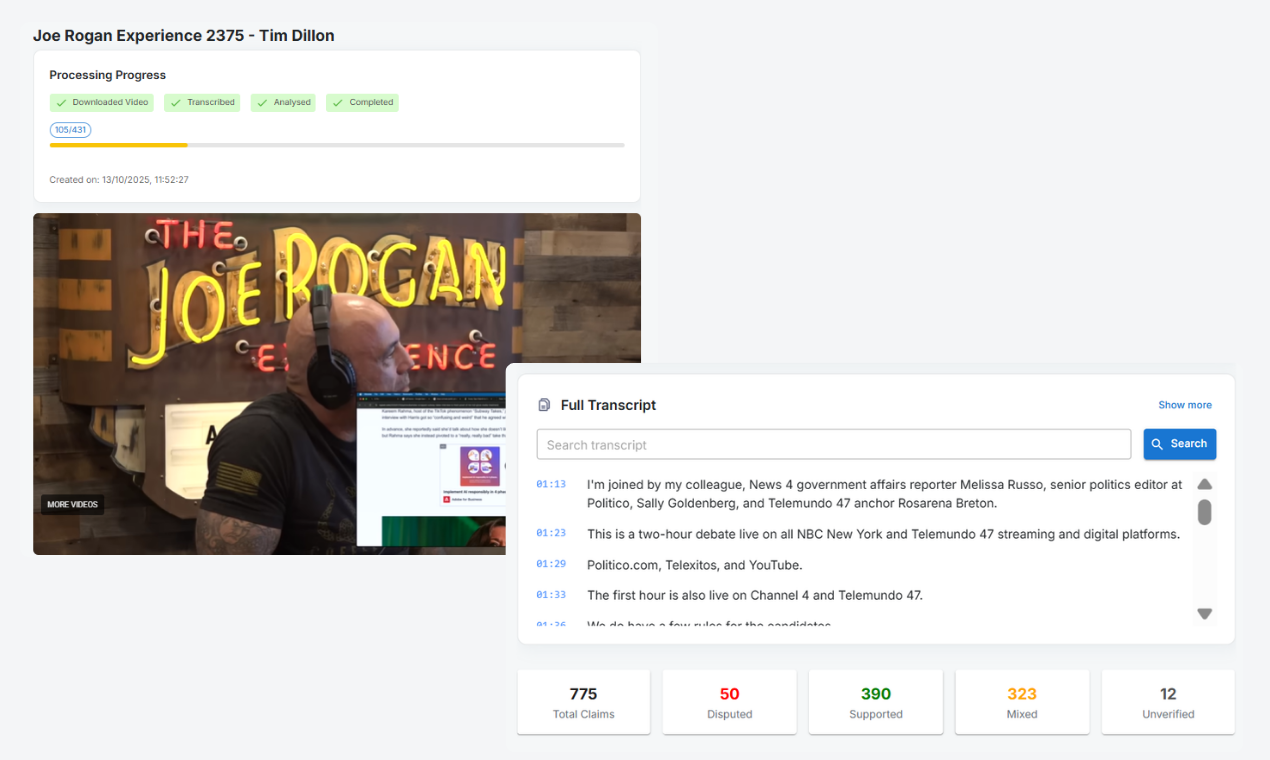
Journalists are faced with choices about where they can analyse information from. They choose one, and they forego the other. That's how it works currently, but it doesn't have to remain that way. The technology to change this exists, and the media industry is at a point where adopting it is no longer optional — it is essential for sustainable journalism.
Factiverse has been working on this exact problem. Gather is launching to directly answer users' problems of gathering information for their stories. Rather than expecting journalists to be everywhere at once, Gather directly monitors the information sources that journalists don't have time for.
It watches video and audio for journalists and directly highlights the most relevant claims and information for them to decide what to write a story about — creating easy-to-read reports as events happen or compiled in the week after they are done.
This is not about replacing editorial judgment. Journalists still decide what is worth pursuing. What Gather removes is the exhausting, time-consuming labour of monitoring every channel just to stay informed.
This enables journalists to lessen their research workload so they can focus on writing and more investigative journalism responsibilities — the work that actually requires their expertise, their source relationships, and their editorial instincts.
No more sacrificial choices
Gather represents an alternative choice for journalists when it comes to the sacrificial choice they are used to making. No longer does covering one platform mean abandoning another. No longer does monitoring a live press conference mean falling behind on social media.
The information environment is harder to navigate than ever before, but with Gather, journalists can tune out the irrelevant and focus on the important when it comes to their articles.
The pressure on journalists is not going away. If anything, it will continue to intensify as new platforms emerge and audiences demand faster, more reliable coverage.
What can change is how equipped journalists are to meet that pressure. The tools available to them should match the scale of the challenge they face, and with Gather, they can.
Sources
Burnout Stats
- https://rjionline.org/news/newsroom-burnout-the-strain-of-doing-more-with-less/
- https://wan-ifra.org/2025/04/new-survey-finds-europes-journalists-marked-by-burnout-fearful-of-ai-yet-still-passionate-professionals/
Media Economy
Fragmented Media Environment
Information Overload

.avif)